How to Dispose of a Water Heater in Dubai
An old water heater in Dubai is collected as an appliance, but it has to be drained and disconnected by a plumber before it comes off the wall. Here is the order.
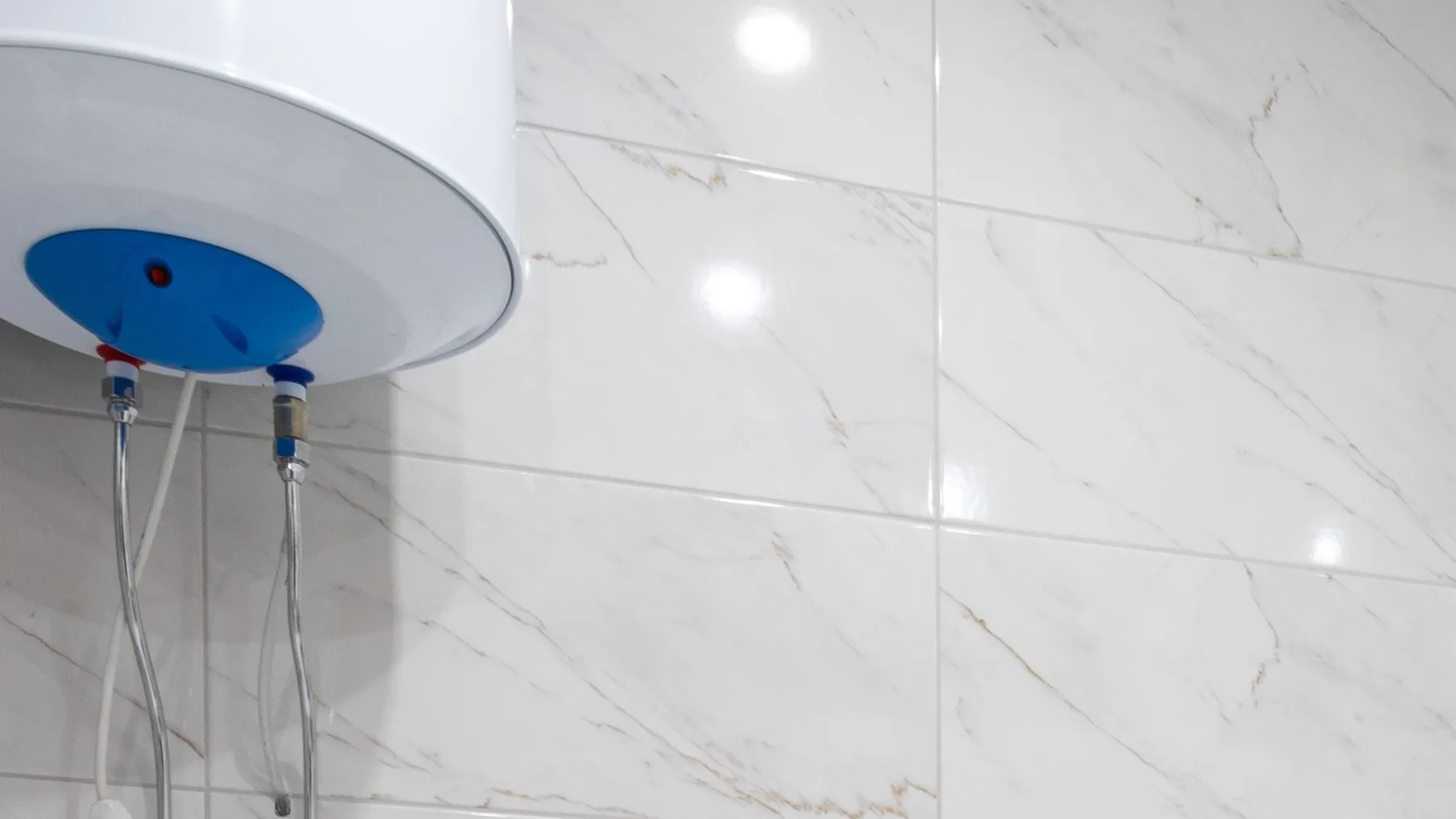
An old water heater in Dubai is collected as an appliance, in the same category as a fridge or a washing machine, and the collection itself is the straightforward part. The work that has to happen first is not. A storage water heater is plumbed into a pressurised supply, wired into a circuit, and still full of water on the day you decide to get rid of it, so a plumber deals with all three before anything comes off a bracket.
Quick answer
Book the plumber first and the collection second. A qualified plumber isolates the water supply, isolates the electrical supply, drains the cylinder and lifts it off its bracket or out of its ceiling cradle. Junk Removals Dubai does not carry out plumbing or electrical work. Once the unit is down and standing at floor level, we collect it as appliance disposal, along with the bracket, the flexible hoses and the drip tray.
Why an Old Water Heater Cannot Be Unhooked and Carried Out
A storage water heater holds its full volume until somebody deliberately empties it. Switching it off at the isolator stops it heating, and it does nothing at all to the water inside. That is the single fact that decides the whole job.
Water weighs about a kilogram per litre. A cylinder holding fifty litres is therefore carrying roughly fifty kilograms of water on top of the weight of the steel tank, the insulation and the outer case. Nobody lifts that off a ceiling cradle, and a bracket that has held the unit steadily for years is not designed for it to be swung around while full.
The supply side matters just as much. Until the incoming feed is isolated, the cylinder is connected to mains pressure, so pulling a flexible hose off does not empty a tank. It floods a bathroom. A plumber isolates the feed, opens the drain point, lets the cylinder empty in a controlled way and only then breaks the connections.
For what an appliance collection costs and which factors move the figure, our guide to fridge and appliance disposal cost in Dubai covers the pricing side across white goods generally.
Where the Cylinder Is Installed Changes the Whole Job
Two identical cylinders in two Dubai properties can be completely different jobs, and the difference is almost entirely about where the unit sits.
| Where it is installed | Typical property | What it means for getting it out |
|---|---|---|
| Above a bathroom or hallway ceiling, behind an access panel | Apartments and many villas | The unit comes down through a hatch that is usually narrower than it looks, and it has to be drained before anyone takes its weight overhead |
| On a bathroom or laundry wall, on a steel bracket | Apartments, older buildings | The easiest case. Drained, unbolted and carried out at floor level |
| In a plant room, store or service cupboard | Villas | Often a larger cylinder, and often more than one, with the route out running through finished living space |
| Roof-mounted tank with solar collector panels | Villas | Fixed plant. This is a contractor strip-out and not a collection, though the removed components can be collected afterwards |
The last row is the one that surprises people. A solar water heating system is part of the building's services rather than part of its contents, and taking one off a roof is plumbing and roofing work that Junk Removals Dubai does not perform. Where a contractor has already brought the panels, the frames and the tank down to ground level, all of it can leave in the same collection.
A drained cylinder is not an empty cylinder
A cylinder that has been drained through its bottom drain point still holds a layer of settled scale and sediment, and often a few litres of water trapped above the outlet. Two things follow on collection day. The unit is heavier than the person who drained it expects, which is how a lift out of a ceiling hatch goes wrong. And it will drip, sometimes for hours, so a cylinder left standing on a finished marble floor or a hallway carpet marks it. Stand a removed cylinder on its side on an old towel or a sheet of cardboard, somewhere it can finish draining, rather than upright in the middle of a room.
Getting the Old Unit Ready for Collection
How to
Prepare an old water heater for collection in Dubai
- 1
Book the plumber before the collection
A qualified plumber isolates the water and electrical supplies, drains the cylinder, disconnects it and takes it off its bracket or out of its ceiling cradle. Junk Removals Dubai does not carry out plumbing or electrical work, so this step has to happen first.
- 2
Count every cylinder in the property
Villas and larger apartments often have more than one water heater serving different bathroom groups. Open every ceiling access panel and check the plant room, store and balcony cupboard before booking, so a forgotten second unit does not turn one job into two.
- 3
Let it finish draining somewhere it can drip
Stand the drained cylinder on cardboard or an old towel, away from finished flooring. A cylinder emptied through its drain point keeps releasing trapped water and sediment for some time after the plumber has left.
- 4
Gather the parts that came off with it
Put the wall bracket or ceiling cradle, the flexible connection hoses, the isolating valves, the pressure relief valve and the plastic drip tray next to the cylinder. These are part of the installation, not the building, and they are the items most often left behind.
- 5
Tell us the floor and the route when you book
Say which floor the unit is on, whether it came out of a ceiling void or off a wall, and whether the building has a service lift. A drained domestic cylinder is a two-person carry rather than a one-person one, and the crew size is set from that.
Instant Heaters, Storage Cylinders and What Else Leaves With Them
Not every water heater is a cylinder. An instant electric heater mounted over a shower or a sink has no stored volume at all, which removes the draining problem entirely. It is still plumbed and wired in, so it still needs a qualified person to disconnect it, and it is still collected as appliance disposal once it is down. It is a small box rather than fifty kilograms of steel and water.
What leaves the property alongside the unit is worth listing, because it rarely all ends up in the same place:
- The cylinder or heater body, drained and off its mounting.
- The wall bracket or ceiling cradle, including the fixings that came out with it.
- The two flexible connection hoses, usually still attached to their fittings.
- The isolating valves and the pressure relief valve, plus the discharge pipe from it.
- The plastic drip tray, on any ceiling-mounted or cupboard installation.
- The insulation lagging stripped off the pipework during the disconnection.
- The old timer or wall switch, if the replacement came with its own.
The sorting question that comes up on the day is a simple one. A water heater is a white good and follows the appliance disposal route, and where the cylinder is going out as part of a wider clear-out of the property it travels with the rest of the junk removal load instead. Either way it leaves in one visit. If a whole villa is being emptied at the same time, our guide to clearing out a villa before moving in Dubai covers the plant rooms and roof spaces where the second and third cylinders tend to hide.
One timing point is worth planning around. The best day to book the collection is the day the plumber is on site fitting the replacement, or the day after. A cylinder that comes down and then waits becomes an obstacle in a hallway, and a wet one left standing against a wall in a Dubai summer marks the paint. Send a photograph of the old unit and its location to our appliance disposal team on WhatsApp or through the contact page, and say how many cylinders are going.
Frequently asked questions
Yes, and this is the step people skip. A storage water heater is a sealed cylinder that stays full whether it is switched on, switched off at the isolator, or has not produced hot water for months. Water weighs about a kilogram per litre, so a cylinder holding fifty litres is carrying roughly fifty kilograms of water before the tank itself is counted. Draining is part of the plumber's disconnection work, not something to attempt by unhooking a hose, because the supply side is under mains pressure until it is isolated.
In an apartment it is most often above the bathroom or hallway ceiling behind a removable access panel, and sometimes in a laundry or service cupboard on the balcony. In a villa there is frequently more than one, because separate cylinders serve separate bathroom groups, and the larger units sit in a plant room, a store or a roof space. Count the access panels in your property before you book anything, since a second cylinder nobody remembered is the usual reason a job needs a return visit.
It is collected the same way, and it is far easier to deal with. An instant heater has no stored volume, so there is no tank to drain and the unit itself is a small box rather than a cylinder. It still has to be disconnected from the water supply and the electrical circuit by a qualified person before it comes off the wall, because it is plumbed and wired in exactly as a cylinder is. Once it is down, Junk Removals Dubai collects it as appliance disposal.
No. A solar water heating system is fixed plant, with roof-mounted collector panels, a storage tank, mounting frames and pipework running into the building, and stripping one out is contractor work rather than a collection. Junk Removals Dubai does not carry out plumbing, roofing or solar installation work. Where a contractor has already removed the panels and tank and left them on site, the components themselves can be collected in the normal way.
They should, and they are the parts most often left behind. The wall bracket or ceiling cradle, the two flexible connection hoses, the isolating valves that came off with them, the pressure relief valve and its discharge pipe, and the plastic drip tray under a ceiling-mounted unit are all part of the installation rather than part of the building. Gather them next to the cylinder before collection day. None of it takes meaningful space in the truck once it is in one place.
Expect discoloured water and a quantity of sediment. A storage cylinder that has run for years collects scale and loose deposits in the bottom, and the last few litres out of the drain point carry most of it. This matters for two practical reasons on collection day. The drain-down needs somewhere it can run without staining a floor or a wall, and a cylinder that felt light when it was carried out may still be holding a heavy layer of settled sediment that never left through the drain point.
Treat it as urgent and call a plumber first, not a removal crew. A leaking cylinder in a ceiling void is losing water into the structure above your rooms, and the supply needs isolating before anything else happens. Once the plumber has isolated it, drained it and taken it down, tell us it was a leaker when you book, because a unit that failed while full often comes down wet and is worth wrapping before it is carried through a finished apartment.
Related articles
How to Get Rid of Old Air Conditioners in Dubai
An old air conditioner in Dubai is collected as an appliance, but a split system has to be disconnected by an AC technician first. Here is what that involves.
How to Dispose of a Washing Machine in Dubai
A washing machine still holds water long after its last cycle. Here is how to drain and disconnect one in Dubai, and which disposal route fits the machine you have.
How to Get Rid of an Old Fridge in Dubai
An old fridge in Dubai has to be emptied, defrosted and dried before it can go anywhere. Here are the real disposal routes and how to prepare the appliance.