How to Dispose of Broken Glass & Mirrors in Dubai
Broken glass and mirrors in Dubai need boxing, taping and labelling before anything moves them. Loose glass in a bin bag is how a building cleaner gets cut.
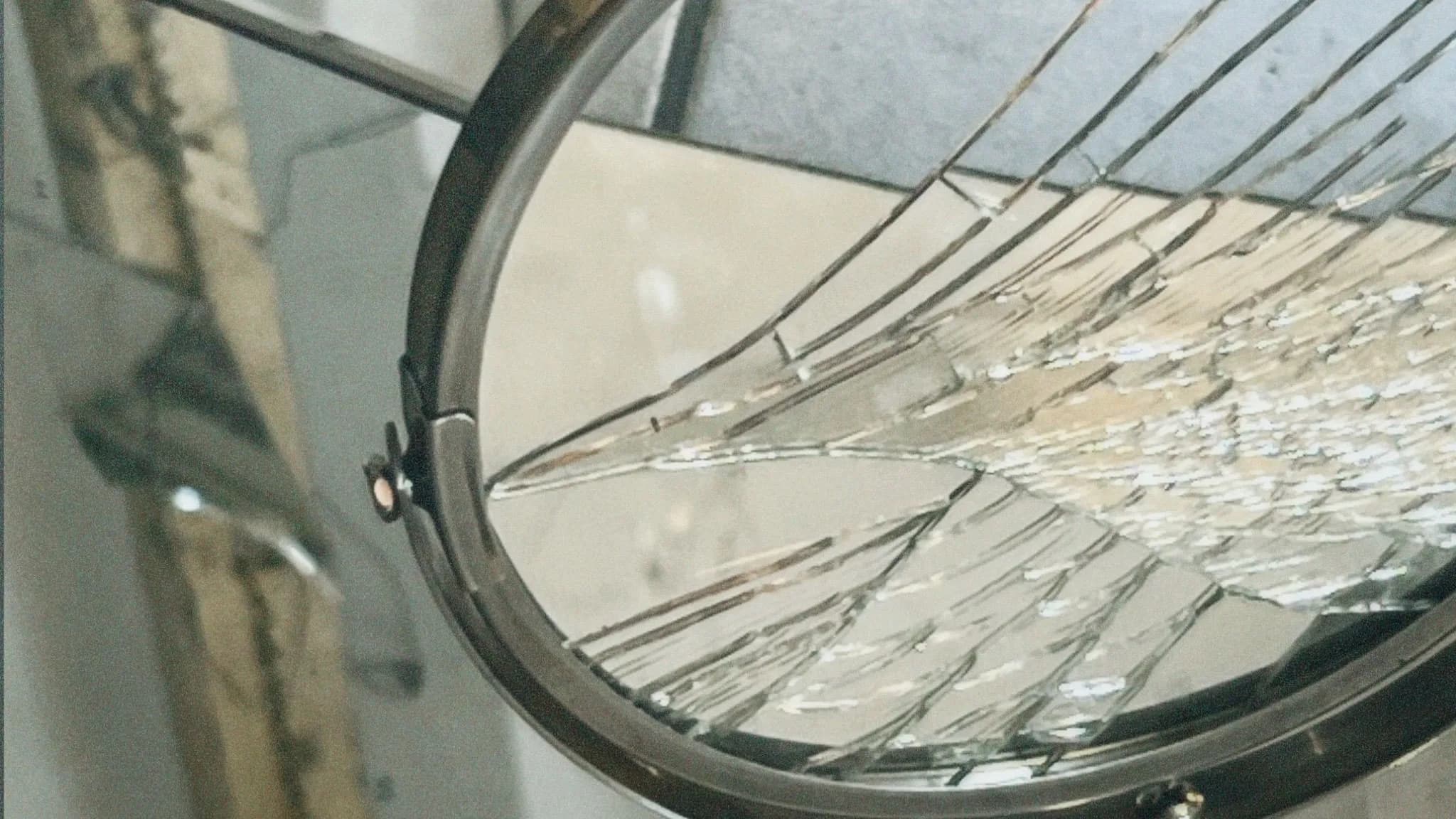
Broken glass in Dubai is not a specialist disposal and it is not hazardous waste. It is an ordinary waste removal item that becomes dangerous purely through how it is packed, and almost every injury it causes happens to somebody who never knew it was in the bag. Box it, tape it, label it, and the rest of the job is routine.
Quick answer
Put broken glass into a rigid container rather than a bin bag. A cardboard box, a plastic crate or an empty bucket all work. Fill it no more than two thirds, tape it shut, and write GLASS on the outside. Sweep the floor with a brush and dustpan and lift the fine slivers with packing tape or a damp paper towel rather than a vacuum. Junk Removals Dubai collects sealed boxes of broken glass, intact mirrors and glass tabletops in the same visit as everything else that is going.
Never put glass down a refuse chute or into a bin bag
A bin liner cannot contain a broken edge, and a refuse chute drops that bag several floors onto other bags and bursts it. In the waste room at the bottom, a building cleaner then picks those bags up by hand, against their body, with no idea what is inside. That is the whole reason this article exists. The same applies to the communal bin area at a villa community and to the bins on a construction-free residential floor. Sealed rigid container, labelled, handed to somebody who knows what they are carrying.
Two Kinds of Glass, and Why They Behave Differently
Knowing which one you are dealing with changes how you clean up and how far you have to look for pieces.
| Glass type | Where it is found in a Dubai home | How it breaks |
|---|---|---|
| Ordinary annealed glass | Window panes, picture frames, mirrors, older tabletops, drinking glasses | Long sharp shards that stay roughly where they fell |
| Toughened glass | Shower screens, oven and washing machine doors, balcony balustrades, most modern tabletops | Thousands of small blunt pieces that scatter several metres |
| Mirror glass | Wardrobe doors, bathroom and hallway mirrors, dressing tables | Shards, but the reflective backing often holds them in place on the sheet |
| Laminated glass | Some balcony and stair balustrades, some tabletops | Cracks and stays in one piece, held together by an interlayer |
The practical difference is where you search afterwards. A broken window pane leaves its pieces in a small area. A shattered shower screen puts blunt fragments under the door, behind the toilet, in the shower drain and out into the hallway, and they turn up for days. Move slowly across the whole room with a torch held low, because glass shows up in raking light far better than under a ceiling fitting.
Getting Broken Glass Ready to Hand Over
- Clear the area of people and pets first, particularly anybody without shoes on. This sounds obvious and it is the step that gets skipped in the thirty seconds after something breaks.
- Pick up the large pieces by hand with gloves on, holding each piece flat rather than by an edge, and put them into the rigid container immediately rather than into a pile on the floor.
- Sweep the rest with a stiff brush and a dustpan. A soft brush pushes fines into the bristles and carries them around the room.
- Lift the invisible slivers with packing tape or a damp paper towel pressed flat onto the floor, then fold the tape or towel in on itself and put it in the same container.
- Fill the container no more than two thirds, so it can be picked up from underneath without anybody's hands going over the open top.
- Tape it closed and label it GLASS in letters large enough to read from arm's length.
- Keep it somewhere out of the traffic route until it is collected, standing upright, not balanced on a work surface.
Where the glass came from a piece of furniture rather than from a pane, the frame usually goes too, and it goes in the same collection. A dressing table with a broken mirror, a coffee table with a shattered top and a bathroom cabinet with a cracked front are all junk removal items once the loose glass is boxed separately.
Large Glass That Has Not Broken Yet
The more common Dubai job is not a floor full of pieces. It is a full-height mirror, a glass tabletop or a shower screen that is being taken out of a property intact, and the whole objective is that it stays intact until it reaches the truck.
Three rules cover most of it. Carry a large sheet on edge and never flat, because a sheet carried flat flexes under its own weight and snaps across the middle. Tape the face in a cross pattern before it moves, so that if it does fail the pieces stay stuck to the tape instead of going across a lift lobby. And protect the edges with cardboard, because a glass sheet almost always starts failing from a chipped corner rather than from the middle of the pane.
Two related items belong somewhere else rather than here. Mirrored wardrobe doors come off as part of the wardrobe itself and our guide to disposing of a wardrobe in Dubai covers how those doors are handled on the day. A television with a cracked screen is an electronics item rather than a glass one, and our guide to disposing of a TV in Dubai covers why a damaged panel is treated differently from a sheet of broken glass.
Where a whole property is being emptied, glass tends to be the last thing anybody thinks about and the first thing that causes a problem, because mirrors come off walls late in the day and tabletops get stood against a wall in a corridor. Our guide to clearing out a villa before moving in Dubai covers the room order that keeps that from happening.
Tell us at booking how many sealed boxes there are and the dimensions of anything large and intact, on WhatsApp or through the contact page. A crew that knows glass is in the load arrives with the right protection and loads it upright and last, rather than finding out when it is already on the tail of the truck.
Frequently asked questions
Put it in a rigid container rather than a bag. A cardboard box, a plastic crate or an empty paint bucket all work, and none of them can be cut through by an edge the way a bin liner can. Fill the container no more than about two thirds so it can be lifted from underneath without anybody reaching over the open top, tape it closed, and write GLASS on the outside in large letters. Sealed and labelled, a box of broken glass is a completely ordinary item to collect.
No, and this is the single most important thing to get right. A refuse chute drops a bag several floors onto other bags, which bursts it, and building cleaners then handle those bags by hand in the waste room below. Loose glass in a chute bag is how somebody who had no idea it was there gets cut. Box it, tape it, label it, and have it collected from your door instead of putting it into the building's waste stream at all.
It does, because of the backing. A mirror carries a reflective coating and usually a protective paint layer on the reverse, and on many mirrors that backing holds the broken pieces roughly in place rather than letting them fall out. That is useful, since a cracked mirror can often be moved as one sheet if it is taped across the face first and carried on edge. A window pane has no backing, so once it breaks the pieces separate immediately and there is nothing to move as a single item.
Because it is toughened glass rather than ordinary window glass. Toughened glass is made to fail into thousands of small pieces with blunt edges instead of long sharp shards, which is why it is used for shower screens, oven doors, balcony balustrades and most modern glass tabletops. The pieces are far less likely to cut deeply, but there are a great many of them and they travel much further across a room than a broken pane does. Expect to be finding them well beyond the area where the screen stood.
It is collected in the same visit, and it should be moved differently. An intact mirror or glass tabletop travels on edge, never flat, because a large sheet carried flat flexes under its own weight and breaks in the middle. Tape it across the face in a cross pattern so that if it does fail on the way out the pieces stay on the tape, wrap the edges in cardboard, and tell us its dimensions when you book so the crew brings the right protection rather than improvising with a blanket.
Sweep it, then lift the fines with something sticky, and keep a household vacuum out of it entirely. A stiff brush and a dustpan take the pieces you can see. The slivers you cannot see come up on a damp paper towel or a strip of packing tape pressed onto the floor. A domestic vacuum is the wrong tool because glass fines cut the hose and the bag from the inside and the finest dust passes straight through the filter and back into the room.
Take it out of use immediately and move it before it fails rather than after. A cracked tabletop is holding together on friction alone and it will come apart the moment somebody leans on it or lifts it from one end. Tape across the crack on both faces, lift it with a person at each end rather than from the middle, carry it on edge, and stand it against a wall rather than leaving it flat on trestles or a frame. Then have it collected as a single item instead of as a floor full of pieces.
Related articles
How to Get Rid of Old Carpets in Dubai
An old carpet in Dubai leaves as a waste removal collection once it is rolled and bound. A loose rug and a fitted wall-to-wall carpet are two different jobs.
How to Dispose of a Water Heater in Dubai
An old water heater in Dubai is collected as an appliance, but it has to be drained and disconnected by a plumber before it comes off the wall. Here is the order.

How to Clear Out a Villa Before Moving in Dubai
Clearing a villa in Dubai is a sequencing problem before it is a lifting one. Here is the room order that works and the spaces most clear-outs forget.